
"TKM-SX 180"
2280 article(s) found

Cafe Latte coffee latte
Cafe Latte may be the only espresso that can be on a par with Cappuccino. According to the survey, the largest espresso item in the world is coffee lattes. Latte means milk in Italian, so Cafe Latte means coffee with milk. Raw coffee beans 8 grams of milk more than 150 milliliters of materials corresponding to 180 milliliters cup production step 1. Make one
Four basic elements of making coffee
Ratio: 180ml (6 oz) Water VS 10g Coffee Powder Grinding degree: degree of Grinding Coffee Grinding granules are consistent Water: water temperature of 90 °96 degrees Fahrenheit (195,205 degrees Fahrenheit) Coffee beans freshness: coffee storage time, temperature, water content and roasting degree of coffee itself other factors: roughness of the grinder and coffee powder content

How to make fragrant coffee at home
Four factors affecting coffee brewing: I ratio: 10g coffee powder + 180ML water = A CUP II freshness: oxygen + light + heat + humidity = the heart and lungs of the four enemies of coffee were sealed and stored in a cool place within a week after opening. III grinding: best effect-fresh grinding and grinding thickness = the smaller the degree, the finer the coffee powder is. It is suitable for espresso machine, French.
Coffee from Bolivia
Coffee trees used to be planted around gardens as hedges and ornamental plants in Bolivia. Real commercial production began in the early 1950s. The 1975 frost severely damaged Brazil's coffee industry, but Bolivia benefited from it and grew rapidly. Bolivian coffee production: Bolivian coffee at an altitude of 180--670 meters
Hand filter paper coffee
One: prepare hand flushing equipment 1. Filter cup 2. Filter pot 3. Filter paper 4. Hand flush pot 5. Coffee powder (medium grinding-medium roughness grinding) 6. Hot water (83-88 degrees) 2: coffee bean dosage and coffee liquid extraction 1 cup coffee powder: 10g coffee solution for 180ml extraction 2 cups coffee powder: 18g coffee solution for 300ml extraction 3 cups coffee powder: 25g coffee solution
Coffee producing area-Bolivia
In the past, coffee trees in Bolivia used to act as hedges and ornaments around the garden. Real commercial production began in the early 1950s. The coffee industry in Brazil was badly damaged by the great frost in 1957, while Bolivia (Bolivia) benefited and developed rapidly. Bolivian coffee is grown at an altitude of 180,670 meters above sea level, including Allah.
Coffee novice! Must see how to make filter paper coffee
1. Prepare hand washing utensils 1. Filter cup 2. Filter pot 3. Filter paper 4. Hand brewing pot 5. Coffee powder (medium ground-medium coarse ground) 6. Hot water (83-88 degrees) 2: Amount of coffee beans and coffee extract 1 cup coffee powder: 10g coffee extract is about 180ml 2 cups coffee powder: 18g coffee extract is about 300ml 3 cups coffee powder: 25g coffee extract
The best brewing mode
The best way to brew civet coffee Kopi Luwak aroma is easier to lose than ordinary coffee. In order to maintain the flavor, coffee beans should be packaged independently and then injected with nitrogen to prevent the oxidation of coffee beans. The production process is complicated and rigorous. If you want to enjoy the true taste of Kopi Luwak, do not add sugar or milk to your coffee. It is recommended to use a plug (Siphon siphon) and add 160mm to 180mm.
Authoritative report on caffeine (4)
Caffeine-containing substances and food types average caffeine content limits coffee (240 cc) 100 60 180 tea (240 cc) 40 20 90 soft drinks (240 cc) 24 20 40 cocoa drinks (240 cc) 6 3 32 chocolate milk (240 cc) 5 2 7 milk chocolate (1 oz) 6 1 15 dark chocolate (1 oz) 26
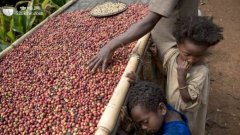
World boutique coffee producing area Bolivian coffee beans
In the past, coffee trees in Bolivia used to act as hedges and ornaments around the garden. Real commercial production began in the early 1950s. The great frost of 1957 seriously damaged Brazil's coffee industry, while Bolivia (Bolivia) benefited from it and developed rapidly. Bolivian coffee is grown at an altitude of 180,670 meters above sea level, including Allah.
Coffee beans Bolivia in the Americas
In the past, coffee trees in Bolivia used to act as hedges and ornaments around the garden. Real commercial production began in the early 1950s. The great frost of 1957 seriously damaged Brazil's coffee industry, while Bolivia (Bolivia) benefited from it and developed rapidly. Bolivian coffee is grown at an altitude of 180,670 meters above sea level, including Allah.

Coffee knowledge Coffee origin Bolivia
Coffee trees used to be planted around gardens as hedges and ornamental plants in Bolivia. Real commercial production began in the early 1950s. Brazil's coffee industry was badly damaged by the 1957 frost, but Bolivia benefited from it and grew rapidly. Bolivian coffee is grown at an altitude of 180 to 670 meters, with Arabica

Fine Coffee study Coffee from Bolivia
In the past, coffee trees in Bolivia used to act as hedges and ornaments around the garden. Real commercial production began in the early 1950s. The great frost of 1957 seriously damaged Brazil's coffee industry, while Bolivia (Bolivia) benefited from it and developed rapidly. Bolivian coffee is grown at an altitude of 180,670 meters above sea level, including Allah.
Coffee producing area Coffee introduction Bolivian Coffee
In the past, coffee trees in Bolivia used to act as hedges and ornaments around the garden. Real commercial production began in the early 1950s. The great frost of 1957 seriously damaged Brazil's coffee industry, while Bolivia (Bolivia) benefited from it and developed rapidly. Bolivian coffee is grown at an altitude of 180,670 meters above sea level, including Allah.
Classic coffee making skills hot latte
◆ content: 1 cup ◆ utensils: Italian coffee machine, coffee cup group ◆ material: Italian espresso 45ml, milk 180ml, sugar packet 1 packet ◆ practice: 1. First brew espresso with an espresso machine and steam the milk into hot milk and milk bubbles. two。 Warm the coffee cup with hot water, pour out the water, add espresso, slowly pour in hot milk, and finally
Coffee Basics Introduce the shapes and specifications of several coffee cups
1. Italian-style espresso cup: used to drink Italian-style espresso coffee, the capacity of about 50ml, due to the small capacity, for the convenience of drinking, generally made into a large small shape. 2. Single coffee cup: used to drink ordinary single coffee, the capacity of about 180ml (generally filled to 150ml), due to the moderate capacity, and do not need to pull flowers, generally made of up and down the same straight shape. (Also, drink instant drink with this) 3.
Coffee shop espresso making Cafe Latte coffee latte
Cafe Latte may be the only espresso that can be on a par with Cappuccino. According to the survey, the largest espresso item in the world is coffee lattes. Latte means milk in Italian, so Cafe Latte means coffee with milk. Raw coffee beans 8 grams of milk more than 150 milliliters of materials corresponding to 180 milliliters cup production step 1. Make one
Basic knowledge of boutique coffee Bolivian coffee
In the past, coffee trees in Bolivia used to act as hedges and ornaments around the garden. Real commercial production began in the early 1950s. The coffee industry in Brazil was seriously damaged by the great frost in 1975, while Bolivia (Bolivia) benefited from it and developed rapidly. The origin of Bolivian coffee: Bolivian coffee at an altitude of 180 Muhami 670 meters.
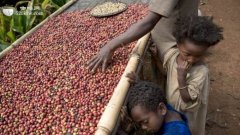
Boutique coffee beans knowledge coffee producing area Bolivia
In the past, coffee trees in Bolivia used to act as hedges and ornaments around the garden. Real commercial production began in the early 1950s. The great frost of 1957 seriously damaged Brazil's coffee industry, while Bolivia (Bolivia) benefited from it and developed rapidly. Bolivian coffee is grown at an altitude of 180,670 meters above sea level, including Allah.
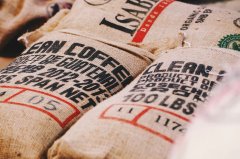
The coffee producing area of Bolivia.
In the past, coffee trees in Bolivia used to act as hedges and ornaments around the garden. Real commercial production began in the early 1950s. The coffee industry in Brazil was seriously damaged by the great frost in 1975, while Bolivia (Bolivia) benefited from it and developed rapidly. The origin of Bolivian coffee: Bolivian coffee at an altitude of 180 Muhami 670 meters.